
SCIENCE
GRADE 9-10
July 2nd - 24th
9AM - 4PM
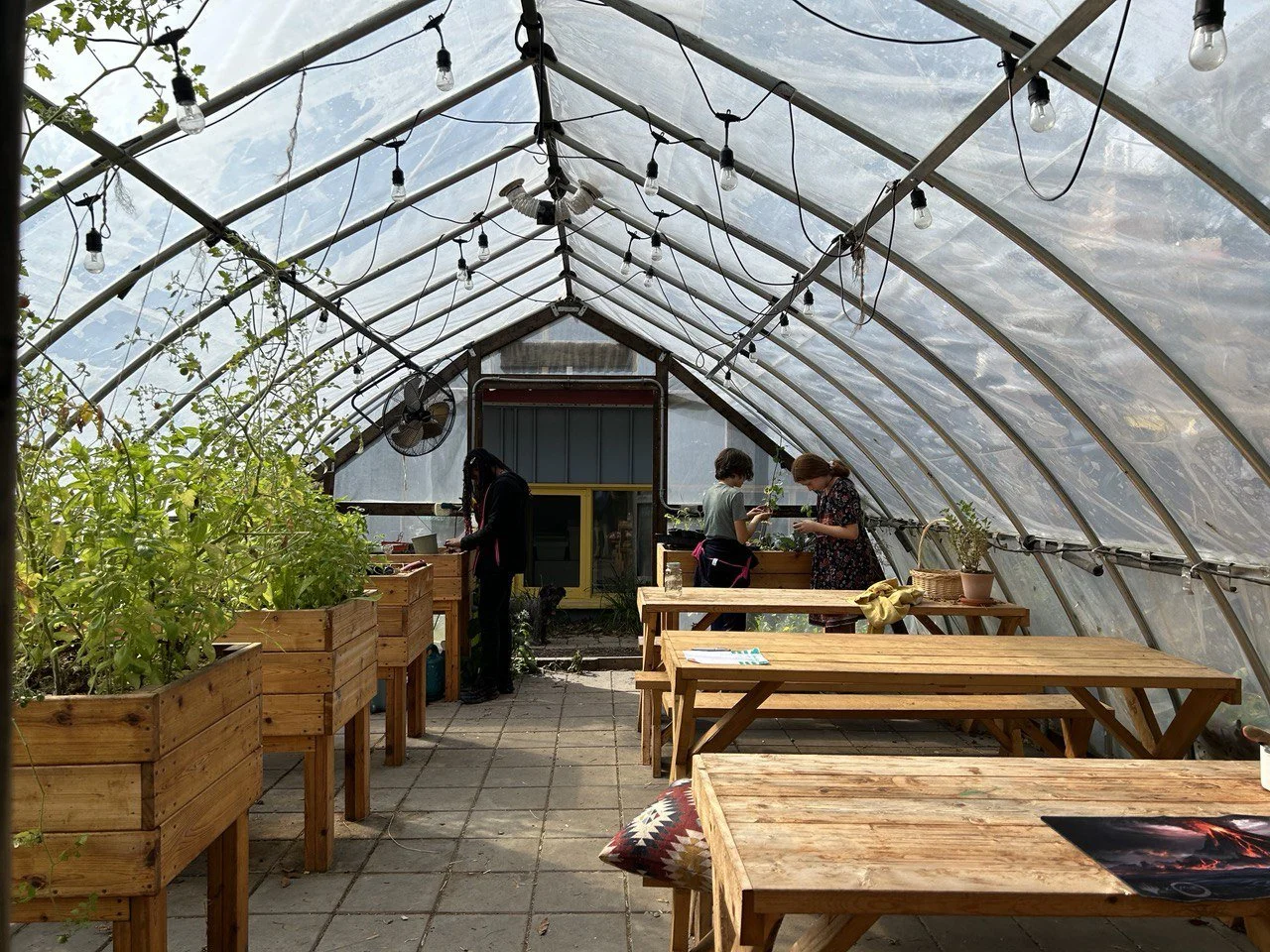
The heart and lure of this program will be the Strata campus. Students will examine the curriculum requirements through hands-on activities such as cooking, gardening, solar panel installation, beekeeping, and visits to the planetarium at McMaster. Guest speakers will discuss the possibilities of careers in science, and students will follow their own curiosity with independent research projects and debates about current ethical and political issues in the sciences. Before entering the program, there will be a short online component that will distill the more technical aspects of the curriculum.
The four main components of the grade 10 curriculum will each be investigated:
Chemistry
Smaller than even the smallest living cells, the building blocks of the world churn away, mixing and remixing to form the huge complexity around us. Through cooking, baking, and less-edible laboratory work, we will build an understanding of how these tiny interactions can give us the keys to solving very big problems. Follow an excited electron through the process of photosynthesis, and then follow the products of that photosynthesis into a tasty lunch. Follow the remains of that lunch into the compost heap, and learn where the molecules will end up next. Students will practice working with the chemical equations describing these processes, and discuss the potential for such small elements to yield big solutions.
Physics
Beneath the cells that make up our bodies, and the atoms that make up those cells, we come to the chief source of energy for our planet: light! Become better acquainted with this life-giving radiation as it showers down from the sun onto Strata’s six acres. Students will learn how the Earth captures energy from sunlight, as well as the dangers (natural and human-influenced) that accompany this tremendous resource. They will practice using light to access tiny worlds through a microscope, and massive worlds through the telescope. They will even discover how Einstein used light to shake up our sense of time, space, and the nature of the universe we inhabit.
Earth Science
Once we have dealt with the strangeness of being a cooperative enterprise between trillions of living cells, we will expand the story to investigate the huge living systems of which WE are the cells. What is our place in the larger ecosystems of the Niagara Escarpment, inside this Carolingian Forest? How about the world as a whole? How can we better protect these ecosystems for the good of everything dwelling here? Through exploring the Strata campus and working with local experts, students will learn more about their place in these larger systems, and will have a chance to explore ways they can cherish, and preserve their home. Strata, a platinum-certified ecoschool which hosts a yearly international summit on climate change, is the perfect place from which to widen our perspective on what it means to be a part of the world, and to discuss solutions to the pressing environmental challenges of today.
Biology
Take a tour of the human body, from the macro to the micro and back. How can trillions of individual living cells cooperate to create a human being? How do our various organs work together to keep us alive? What similarities are there between human bodies and those of animals? Or bugs? Did the brain evolve to feed the stomach, or the stomach to feed the brain? And what exactly does a pancreas do? Explore all of these questions and more by interacting with the natural environment, then returning to the lab for investigation and discussion. Examine the growing ends of roots under microscopes to learn about cell division, extract DNA from garden veggies, watch microscopic lifeforms from the pond wage tiny battles at 400X magnification, and piece the story of life together.